From 19–23 August 2025, European House Budapest hosted the Connect. Collaborate. Create capacity-building youth summer camp for EU macro-regions in Krems an der Donau (Austria) gathering young participants from all four EU macro-regions – the Baltic, the Danube, the Adriatic-Ionian, and the Alpine. They all came from youth organisations including the recognised youth structures e.g. youth councils in the macro-regions. The event, co-funded by the European Union and supported by Erste Stiftung, was designed to give young people the tools, knowledge, and networking opportunities to play an active role in macro-regional cooperation and policy-making.
A rich and varied programme
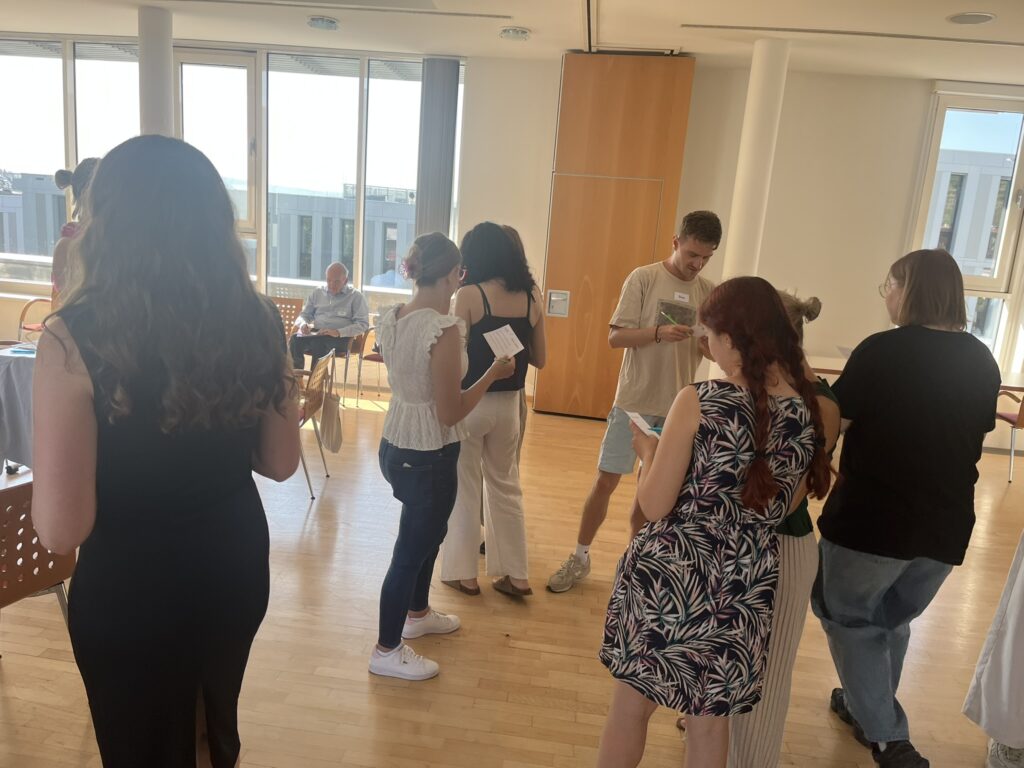
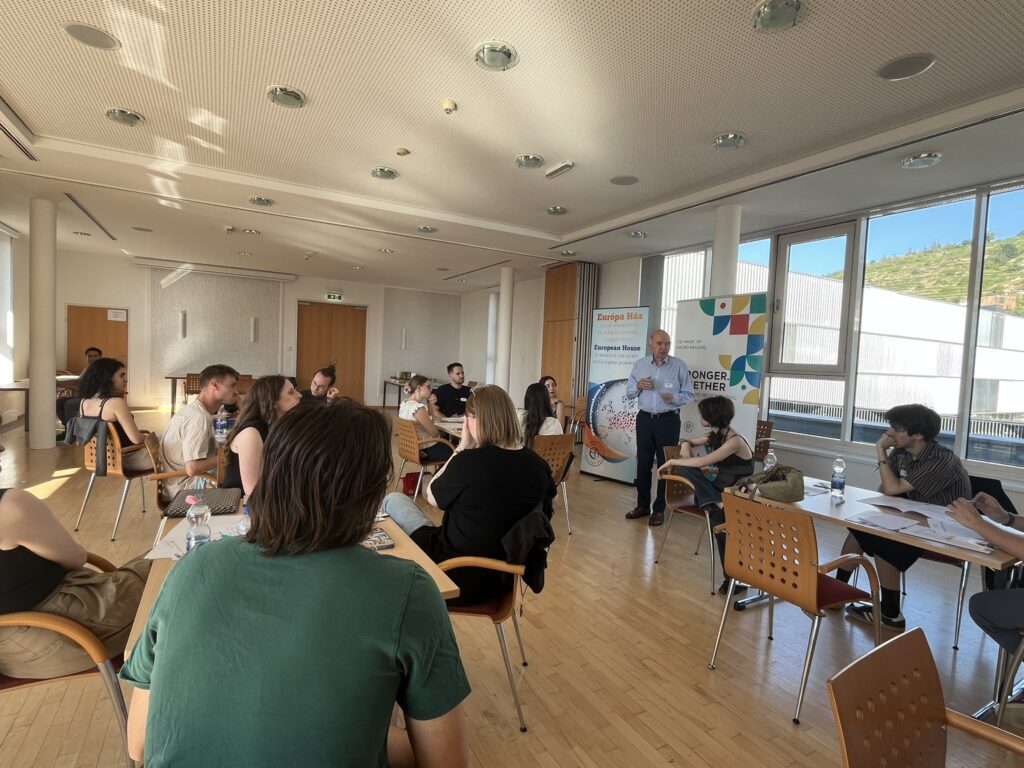
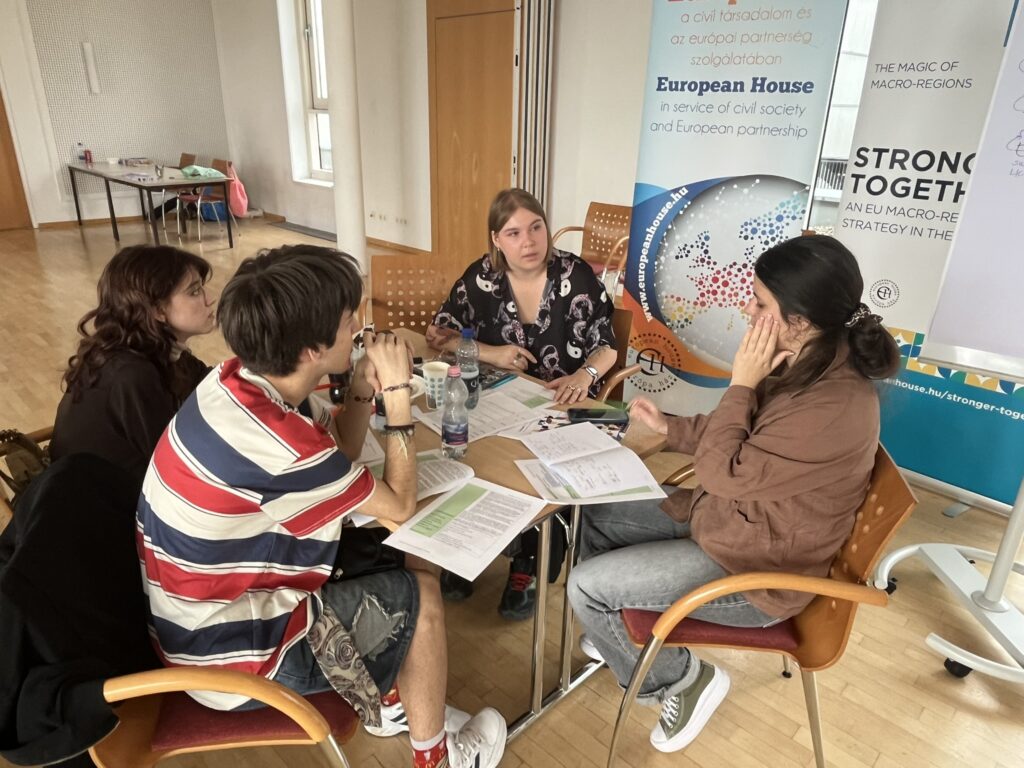
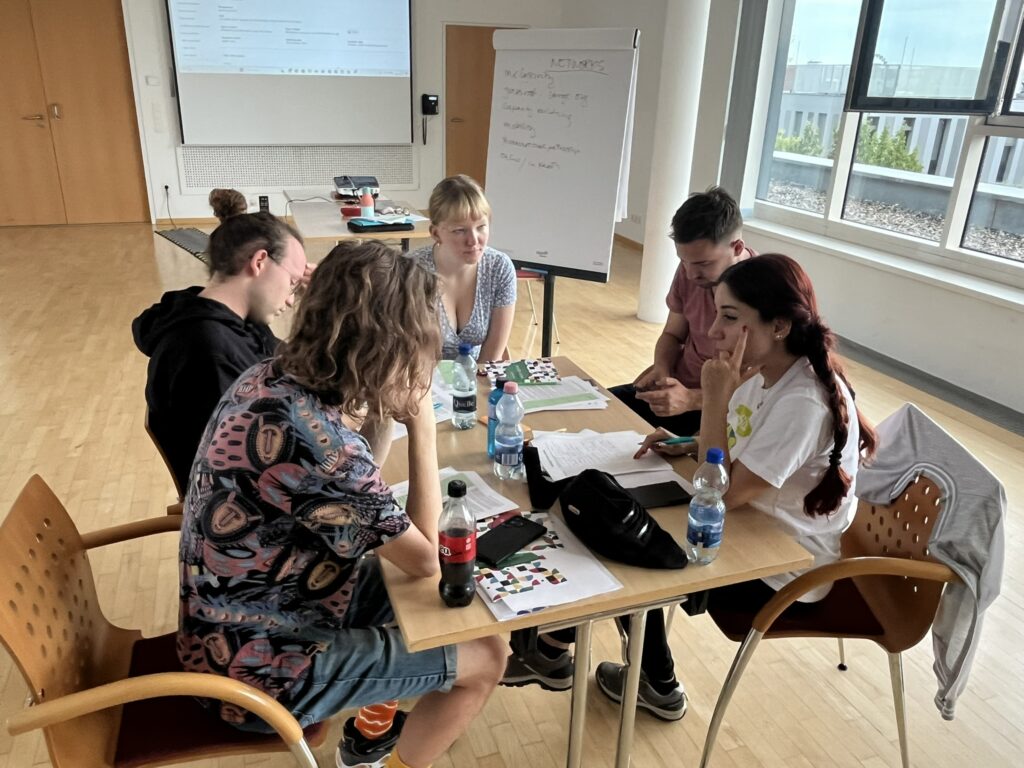
The camp began with orientation and team-building exercises that helped participants get to know one another and recognise shared challenges across their regions. Early sessions focused on the basics of EU macro-regions and the role of youth in shaping European policies. Interactive methods – such as mapping activities and group discussions – encouraged young people to connect their personal experiences with broader European issues.
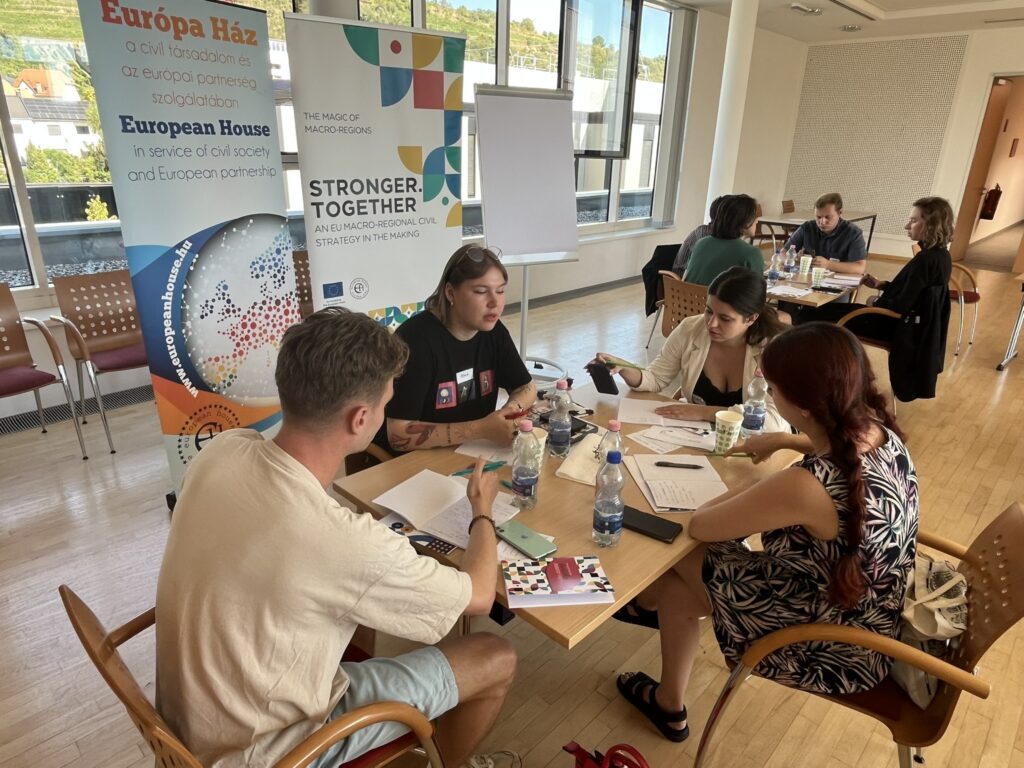
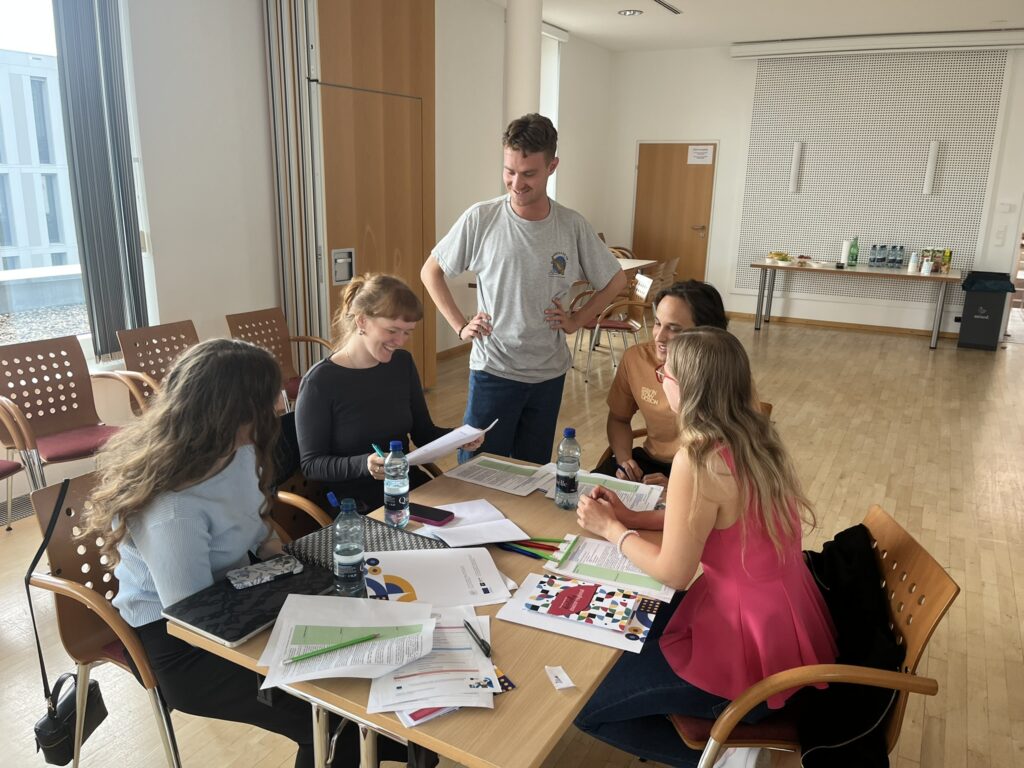
A major highlight was the Skills Lab, where participants worked in teams on project design and pitching. The aim was to turn ideas into concrete initiatives that could have an impact at macro-regional level. In addition, one-to-one consultations offered a chance for more tailored feedback and mentoring.
Taking action in Vienna
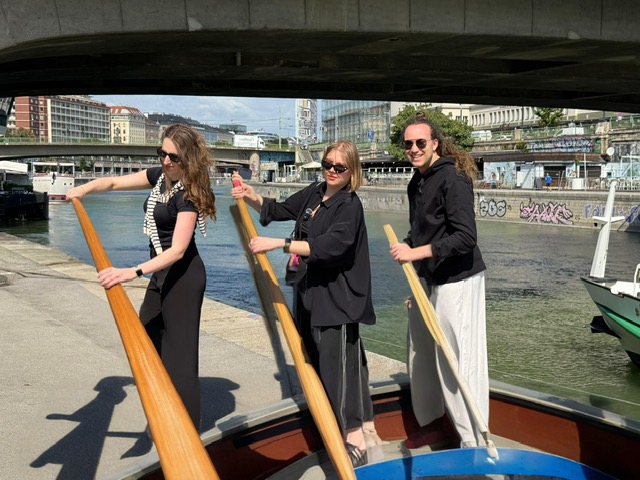
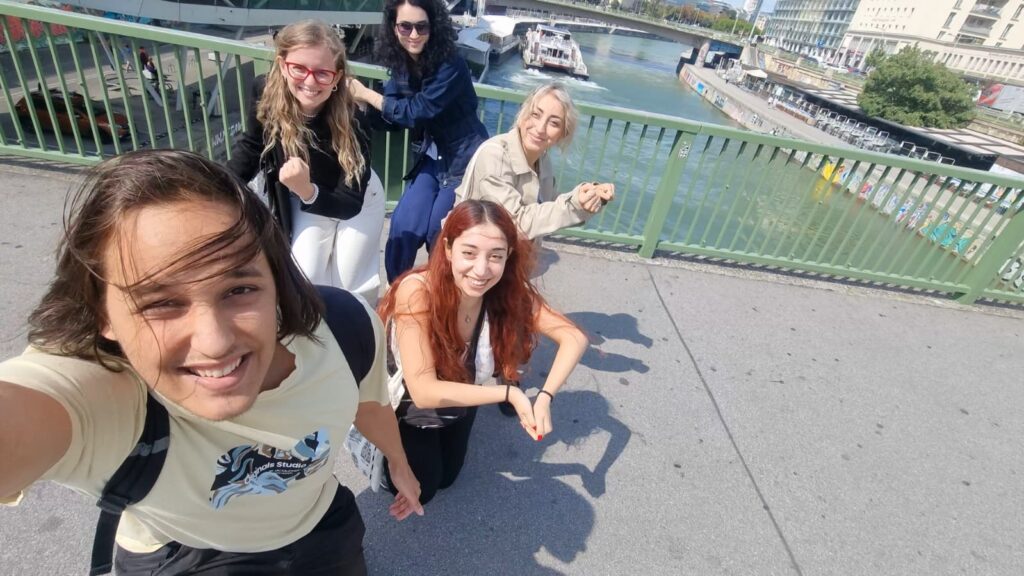
On the third day, the group travelled to Vienna for a “Macro Mission” – a street action designed to bring their messages into the public space. Split into small teams, participants fulfilled various funny and entertaining tasks like, writing a 4-line poem about the Danube and perform it on a bridge over the Danube, collecting a brief written message from a parent whose child is/was participating in an EU Erasmus exchange or identifying five objects in each starting with different letters spelling the word: WIEN. All this to engage directly with citizens and raise awareness of the macro-regional idea in a creative and approachable way. This activity provided practical experience in outreach and human connectivity.
Building community across borders
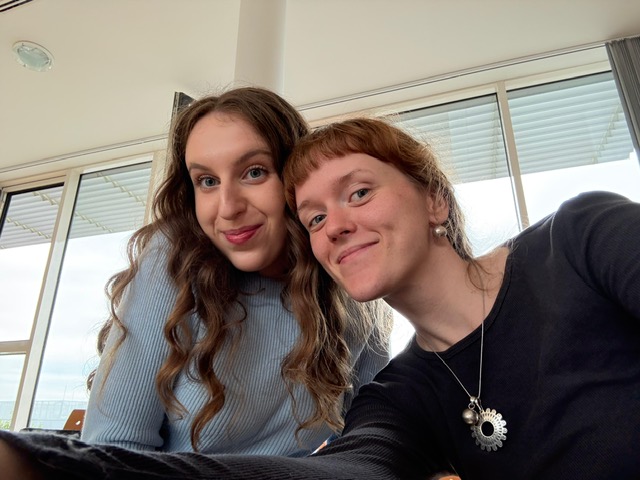
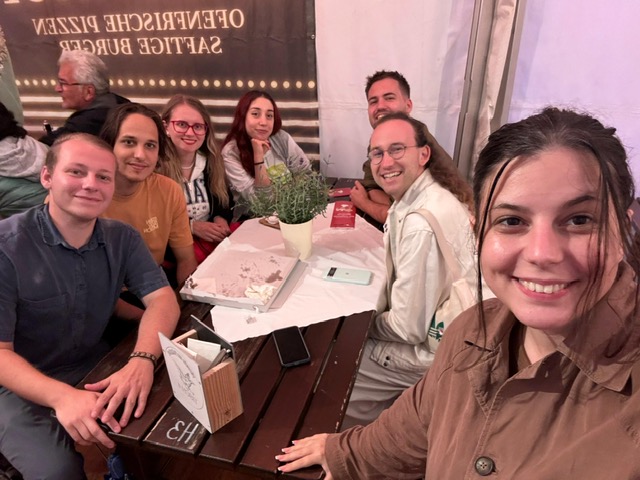
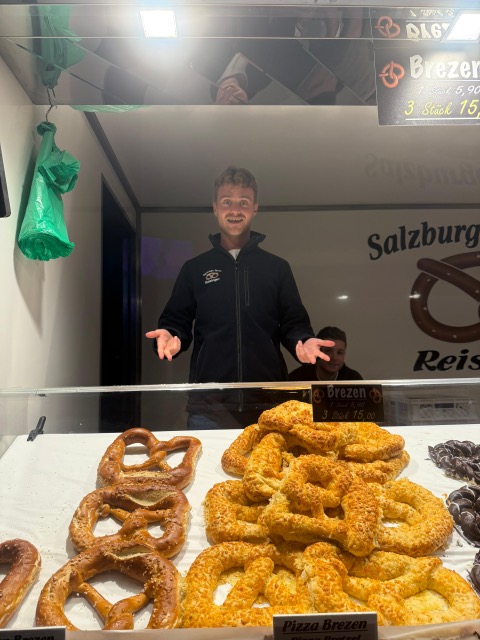
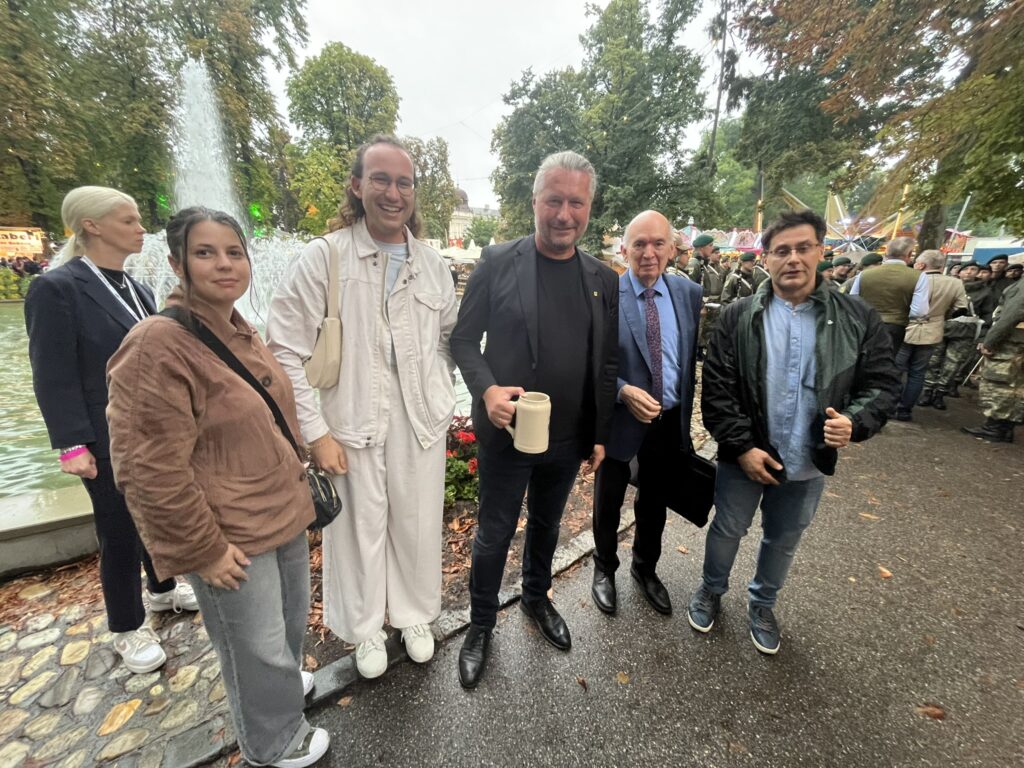
Beyond the formal programme, cultural and social activities played an important role. Shared meals, informal evening gatherings, and the visit to the Wachauer Volkfest allowed participants to deepen friendships and strengthen cross-border networks. By the end of the camp, the 20 participants have not only developed skills but also built a sense of community that will last beyond the event itself.
Lessons learned
The camp closed with an evaluation session, where participants highlighted the value of exchanging across regions and learning practical skills for civic engagement. A common message emerged: Europe needs more initiatives like this. Regular youth camps and similar activities are essential to empower young people, give them a voice, and demonstrate the real benefits of cross-border cooperation. The youth camp’s significance lay in bringing together young people from all four macro-regions, helping them realise they share common ground and can work together in a creative and meaningful manner in the future.
Conclusion
The Connect. Collaborate. Create capacity-building youth summer camp for EU macro-regions in Krems showed that when young Europeans come together from the macro-regions, they are ready to contribute ideas, energy, and commitment to the future of Europe. Its success offers a clear signal: strengthening youth engagement in macro-regional strategies should remain a priority for EU institutions and civil society alike.
