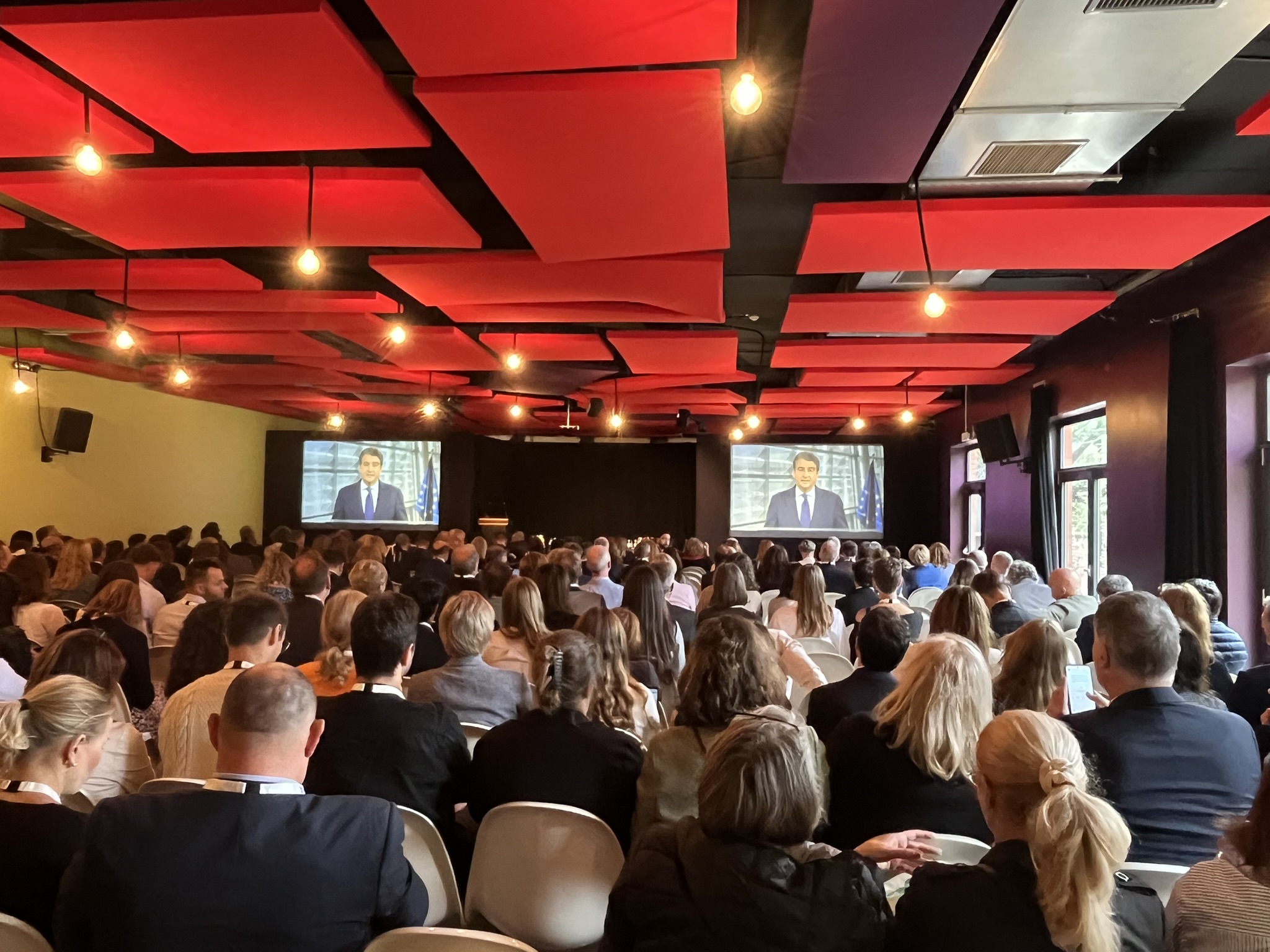
The Macro-Regional and Sea Basin Strategies Days (MRS & SBS Days) took place in Brussels on 24–25 September 2025, gathering policy-makers, practitioners, and stakeholders engaged in shaping Europe’s cooperation across regions and seas. The event once again confirmed its role as a key forum for exchanging experiences, identifying common challenges, and charting new ways forward.
The Shadow Report 2.0, a civil society reflection and response to the European Commission’s 5th Report on the implementation of the EU’s macro-regional strategies was also presented at the MRS & SBS Days 2025.
At the heart of the report are ten proposals aimed at ensuring that macro-regional strategies deliver tangible benefits to citizens and their organisations. Among the key recommendations are:
- Partnership in practice: Civil society should have a regulated presence in MRS governance structures, with the possibility to lead thematic areas.
- Civil Society Strategy: A dedicated strategy for civil society involvement is needed, ensuring policies are not only top-down but also inclusive and responsive.
- Cross-border cooperation: Member States should remove legal and administrative barriers, while adopting the European Cross-Border Association (ECBA) directive to make collaboration more effective.
- Youth engagement: A Macro-Regional Youth Summit and a peer-to-peer exchange programme would nurture leadership, intercultural understanding, and solidarity across borders.
- Funding security: Moving from ad hoc to sustainable funding would allow CSOs to build long-term capacity and meaningfully contribute to governance.
This was already the second year that macro-regional and sea basin strategies worked together, and the cooperation showed clear added value. Bringing the two approaches together created useful synergies and exchanges of best practices, while also demonstrating how coordination across frameworks can strengthen Europe’s territorial cohesion. A particularly positive outcome is that, through this joint approach, more EU Member States are covered, including those not currently part of any macro-regional strategy.
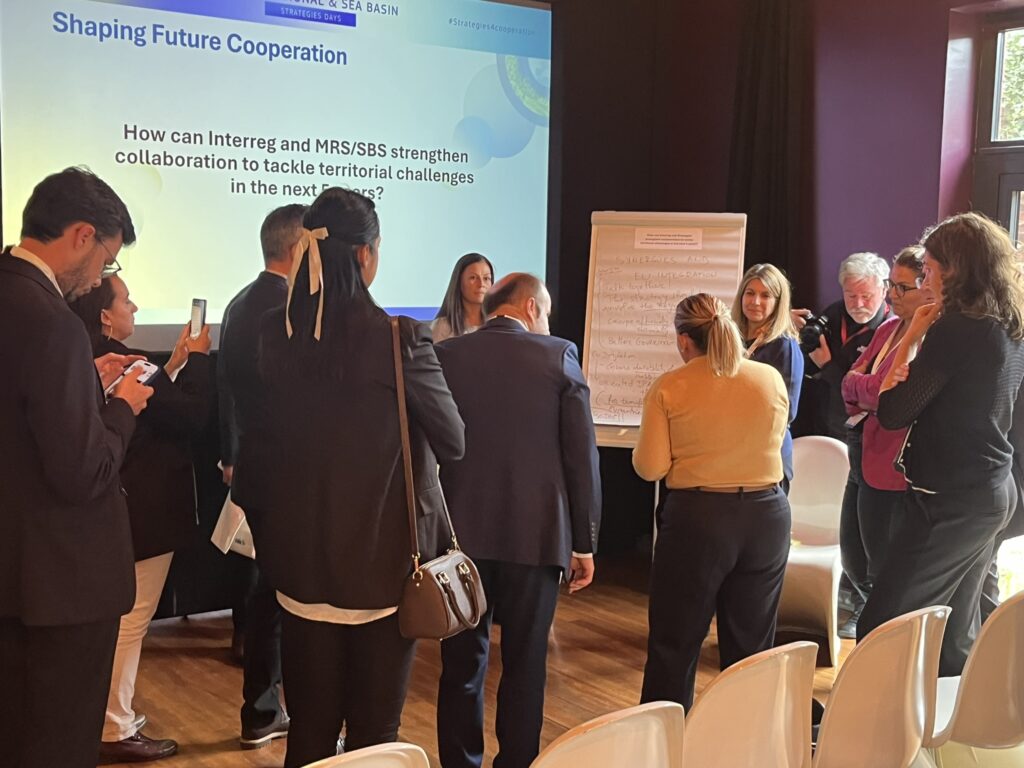
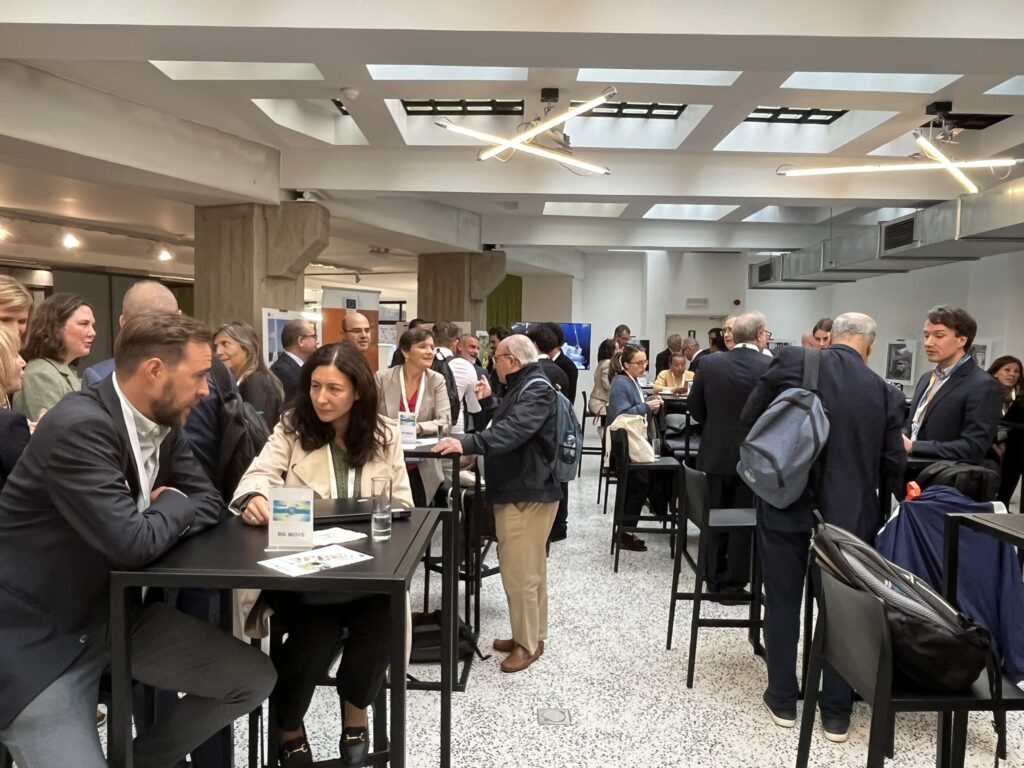
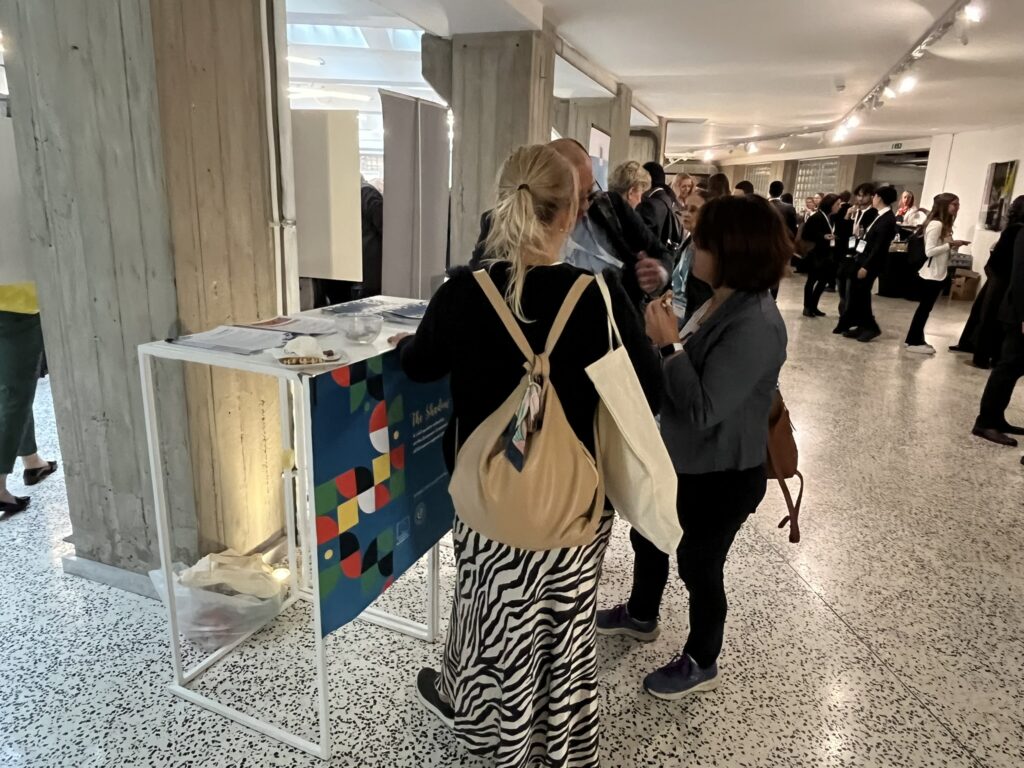
The “speed dating” sessions offered short, focused meetings with representatives of various European Commission Directorates-General. They provided participants with an opportunity to raise concrete questions, share proposals, and discuss possible synergies in a more direct format. Several participants noted that this approach helped facilitate dialogue between institutions and stakeholders.
On 26 September, we have presented the Shadow Report 2.0 at the MRS High-Level Group Meeting, ensuring that its findings and recommendations reached decision-makers directly involved in steering the future of macro-regional strategies.
Building on the experience of this year’s edition here are our two recommendations for the next edition of the MRS & SBS Strategies Days:
- Timing: The event should be organised earlier in 2026, ideally in June. This would prevent it from overlapping with the European Week of Regions and Cities, which traditionally takes place in early October, and would allow for more balanced participation.
- Inclusiveness: Future editions should make a stronger effort to involve a wider circle of stakeholders, particularly civil society organisations, academia, municipalities and businesses, whose perspectives are essential for ensuring that strategies are both innovative and grounded in real needs.
The 2025 edition showed that the Macro-Regional and Sea Basin Strategies Days can be a fertile space for exchange and innovation. With more inclusive participation and better timing, future editions can deepen their impact and further strengthen Europe’s collaborative frameworks across regions and seas.
